


The following article was written by Joe Nesbitt, CEO of Central National Bank. It appeared in the July 29th edition of the Waco Tribune-Herald.
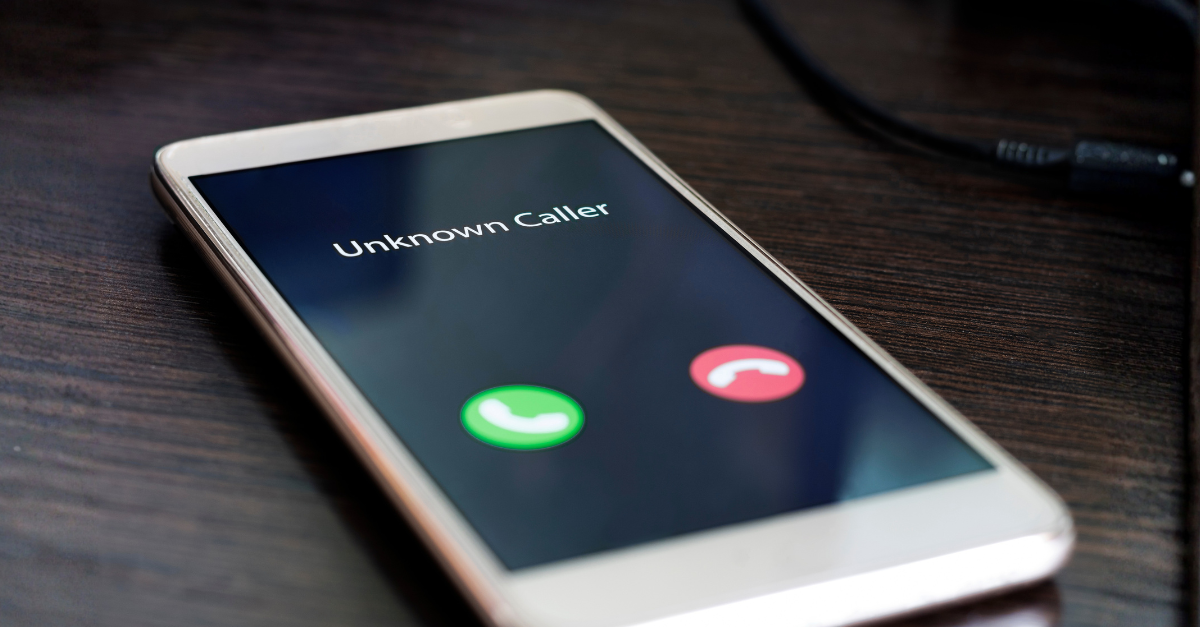
Every day, hardworking people across Central Texas receive a phone call that seems legitimate. The caller sounds professional. They know your name. They create urgency. They sound trustworthy.
And within minutes, someone who has spent a lifetime building their savings can lose thousands of dollars.
Scams have become increasingly sophisticated, and unfortunately, no one is immune. Bank customers, business owners, retirees, college students and working families have all become targets. The common thread is that scammers use fear, urgency and confusion to convince people to act before they have time to think.
One of the most common scams today involves a caller claiming to be from law enforcement. The caller tells the victim they missed jury duty, failed to appear for a legal proceeding or have a warrant pending. The victim is instructed to avoid arrest by immediately wiring money, purchasing gift cards or sending funds through a digital payment platform.
Let me be clear: Legitimate law enforcement agencies do not call demanding immediate payment over the phone.
Another increasingly common scheme is the “your money is in danger” scam. In this scenario, criminals pose as government officials, fraud investigators or even bank employees. They convince the victim that someone has hacked their accounts, that their money is at risk or, most troubling, that the victim’s own bank is somehow involved in the fraud.
The scammer then pressures the victim to withdraw cash, wire funds, purchase gold or bitcoin, or move money to a so-called “safe account.”
There is no safe account.
The money is going directly to the criminal, and I’ll guarantee you they don’t bank with a local bank.
Technology-related scams remain among the most successful. Someone receives a pop-up message on their computer or gets a phone call claiming to be from Microsoft, Apple, Amazon or another well-known company. The caller says the victim’s computer has been hacked, a virus has been detected or a suspicious purchase has been made.
The victim is instructed to download software, allow remote access to their computer or provide banking information to “verify” an account. In reality, the caller is gaining access to personal information, passwords and financial accounts.
Follow these steps
The good news is there are simple steps everyone can take to protect themselves.
First, slow down.
Fraudsters thrive on panic and urgency. If someone tells you that you must act immediately, hang up and verify the information independently. Call your bank using the number on your debit card. Call the company using the number on its official website. Contact local law enforcement directly if a legal issue is being claimed. Do not call the number given to you by the person claiming you need to act urgently.
Second, never wire money or purchase gift cards because of a phone call.
Scammers love wire transfers and gift cards because once the money is sent, it is often impossible to recover. Slow down and think: Would the IRS, law enforcement or any legitimate business request to be paid in gift cards under any circumstance? No.
Third, never give online banking credentials, account numbers, debit card numbers, Social Security numbers or one-time security codes to someone who contacts you unexpectedly.
Legitimate companies and financial institutions do not need you to provide sensitive information through an unsolicited phone call.
Fourth, be skeptical of anyone who asks you to keep the conversation secret.
A common tactic is for scammers to tell victims not to tell family members, friends or bank employees because it could interfere with an investigation. That is a major red flag.
The best defense against fraud is often a second opinion. Talk to someone you trust.
Local trust
This brings me to an important point about community banking.
One of the greatest advantages of banking locally is that you know the people who handle your money. When you bank with a community bank, your banker isn’t sitting in a call center hundreds or thousands of miles away. They are your neighbors. They know your name, support local charities, volunteer in community organizations and cheer beside you on Friday nights.
When something feels wrong, you can pick up the phone and talk to someone you know.
You can walk into the bank and sit down with a decision-maker.
You can speak with people who understand your community and who have a vested interest in protecting you.
Community banks are often the first line of defense against fraud. Every day, community bankers stop suspicious wire transfers, question unusual transactions and help customers recognize scams before they become victims. But they can only help if customers feel comfortable reaching out before sending the money.
If you ever receive a call that creates fear, demands secrecy or pressures you to act immediately, pause and call your banker first. Now, here’s a shameless plug: If you don’t know your banker, there are a lot of really good locally owned, independent banks in Central Texas with great bankers who are heavily invested in this community. I promise you, any one of us would love to have your business. If you aren’t comfortable calling your banker, call the Waco Police Department or McLennan County Sheriff’s Office. Call anyone you trust, but don’t wire your money to someone threatening you over the phone.
Hang up, take a deep breath, and call someone you know. That one phone call could save you thousands of dollars and countless hours of stress.
Joe Nesbitt is president and CEO of Central National Bank and a lifelong Wacoan.
Leave A Comment